Post-Hair Transplant Care: Tips to Support Healthy Hair
Hair transplantation is an increasingly popular method for those seeking to restore a fuller hair appearance. While the procedure itself is important, the period that follows is equally significant. After a hair transplant, the scalp and transplanted follicles go through a healing and adaptation process. This stage is sensitive, and proper care may support improved comfort, protection, and healthier-looking outcomes in the long run.
Post-transplant care doesn’t mean relying on one single step. Instead, it involves creating a comprehensive routine, choosing gentle products, maintaining a balanced lifestyle, and giving both the scalp and body the time they need to adjust. The right approach may encourage transplanted follicles to integrate smoothly, while also helping existing hair appear more vital and refreshed.
Why Is Special Care Important After a Hair Transplant?
Immediately after the procedure, transplanted follicles are vulnerable and the scalp becomes more delicate than usual. The skin may show signs of redness, dryness, or mild irritation. These reactions are natural and usually temporary, but they highlight why a different care approach is necessary.
During this recovery window:
- The scalp requires gentle cleansing to remain free of excess oil, dirt, or sweat.
- Hydration becomes essential as the healing tissue may need additional moisture balance.
- Protective nourishment helps maintain the right environment for both transplanted and existing hair.
Importantly, supportive care may also ease daily life by reducing discomfort and creating confidence during the regrowth phase. While results differ for everyone, building a proper routine can set the foundation for long-term hair and scalp wellness.
Lifestyle Adjustments to Support Recovery
Recovery is not only about choosing the right shampoo or serum. Daily habits can have a meaningful impact on how the scalp feels and adapts after surgery. Here are some general adjustments that may be beneficial:
- Avoid direct sun exposure for long periods in the weeks following the procedure. Wearing a light hat may provide added protection.
- Stay hydrated internally by drinking sufficient water, which contributes to overall skin and scalp health.
- Control stress levels, as high stress may affect hair and skin balance. Gentle routines like yoga, meditation, or light walks may help relaxation.
- Sleep with care—during the first days, keeping the head slightly elevated on extra pillows can reduce swelling or discomfort.
These small adjustments combined with topical and nutritional support may create a healthier environment for scalp recovery.
Key Points to Consider in Post-Transplant Hair Care
When creating a daily routine, it helps to focus on a few simple but effective principles:
- Avoid very hot water during washing, since heat may dry the scalp and affect its balance. Lukewarm water is usually more suitable.
- Handle with gentleness—scratching or rubbing the transplanted area can disturb sensitive follicles.
- Choose restorative shampoos that focus on mild cleansing without harsh chemicals like sulfates or parabens.
- Introduce supportive serums developed to nourish the scalp and maintain comfort.
- Support from within by taking nutritional supplements containing vitamins, minerals, and biotin that contribute to overall wellness.
- Be consistent—irregular care may reduce the benefits of even the most carefully chosen products.
Together, these points form the backbone of a maintenance plan that encourages both comfort and cosmetic satisfaction in the weeks and months following the procedure.
Recommended Supportive Products for Post-Hair Transplant Care
Not every product is suitable for use on a sensitive scalp following transplantation. It is best to focus on formulations designed with restorative, soothing, and supportive properties. Below are three types of products that may be beneficial:
Repairing Shampoo for Gentle Cleansing
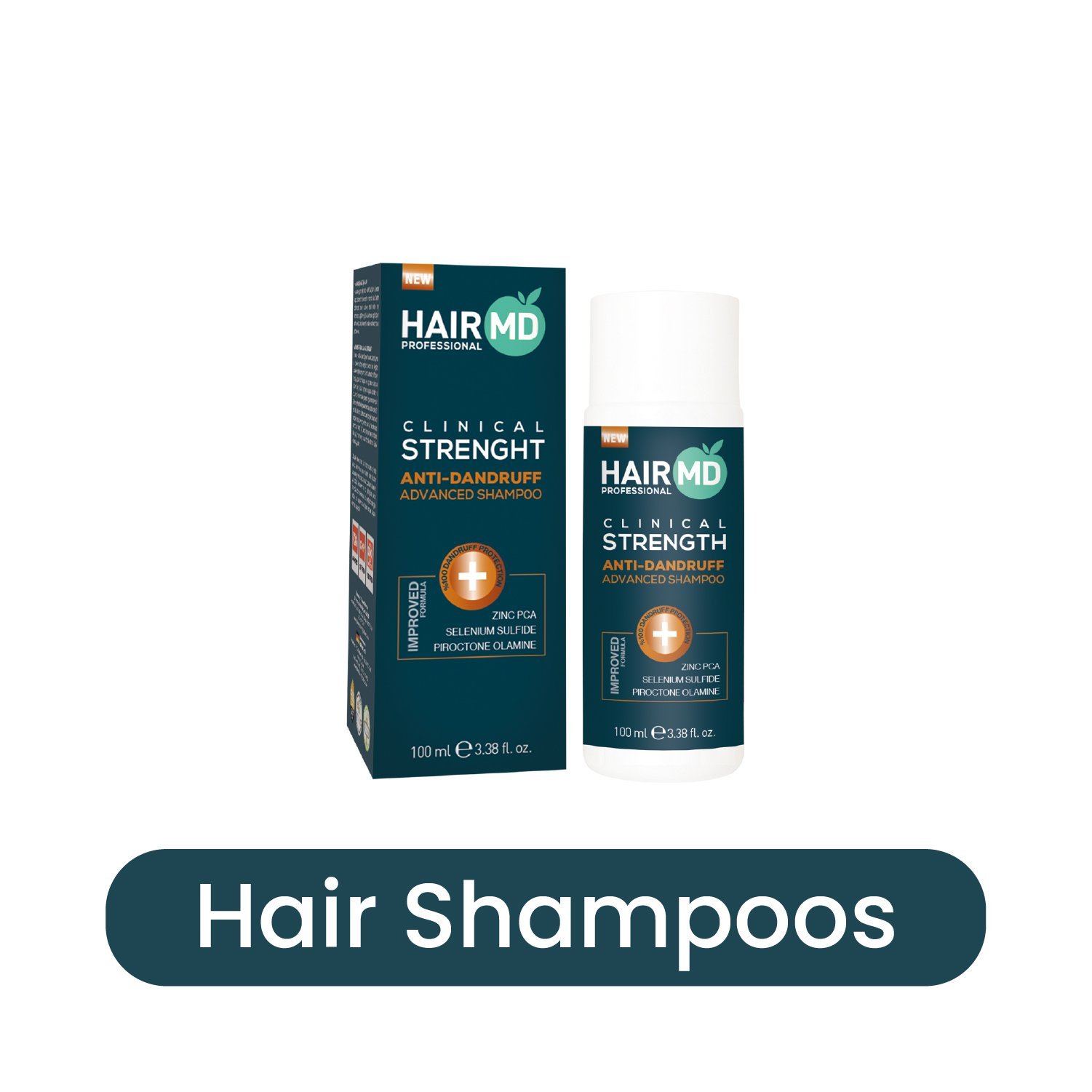
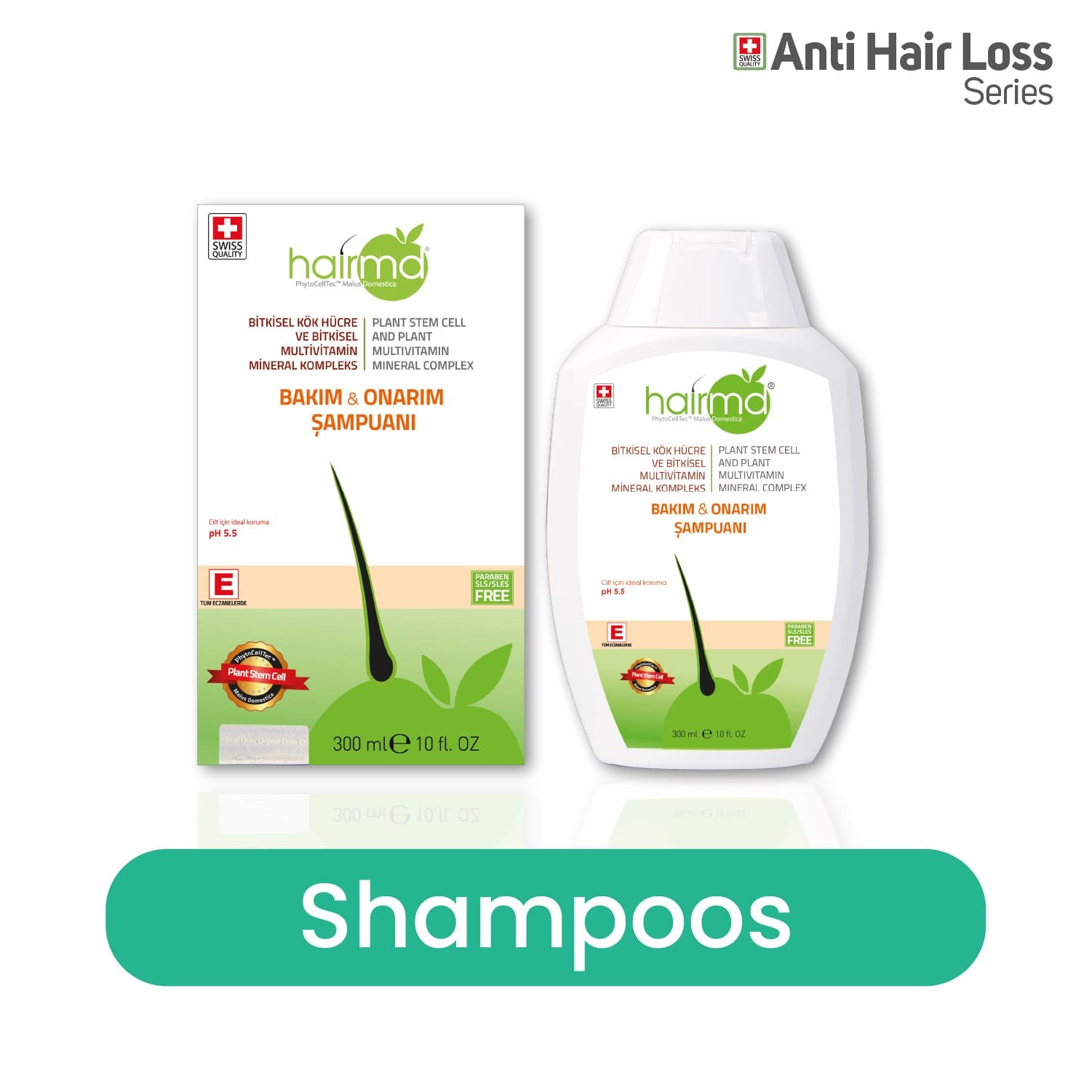
Cleansing is essential, but it needs to be done with sensitivity. A harsh shampoo can strip away moisture and irritate healing skin. That’s why mild shampoos formulated for sensitive scalps are often more suitable.
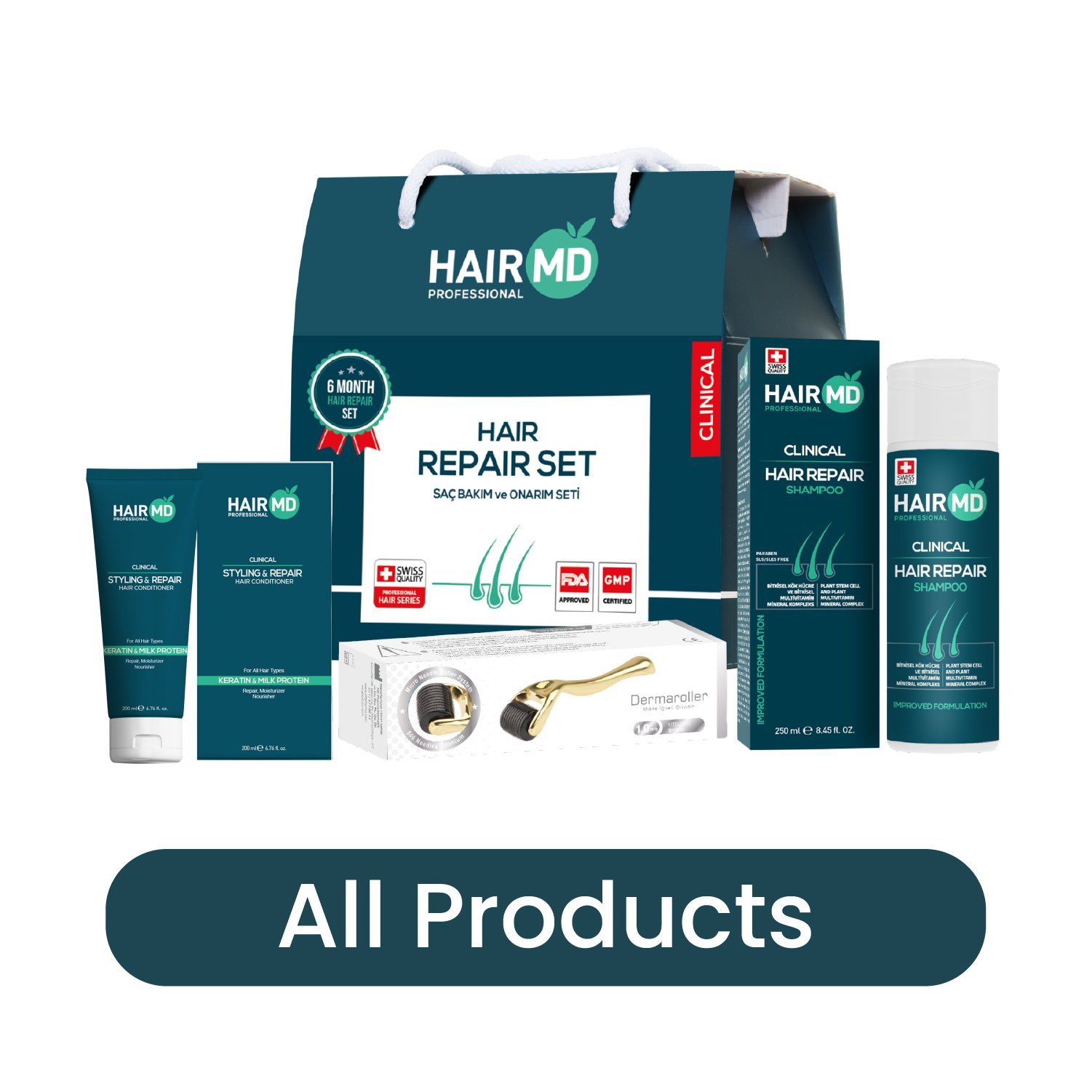
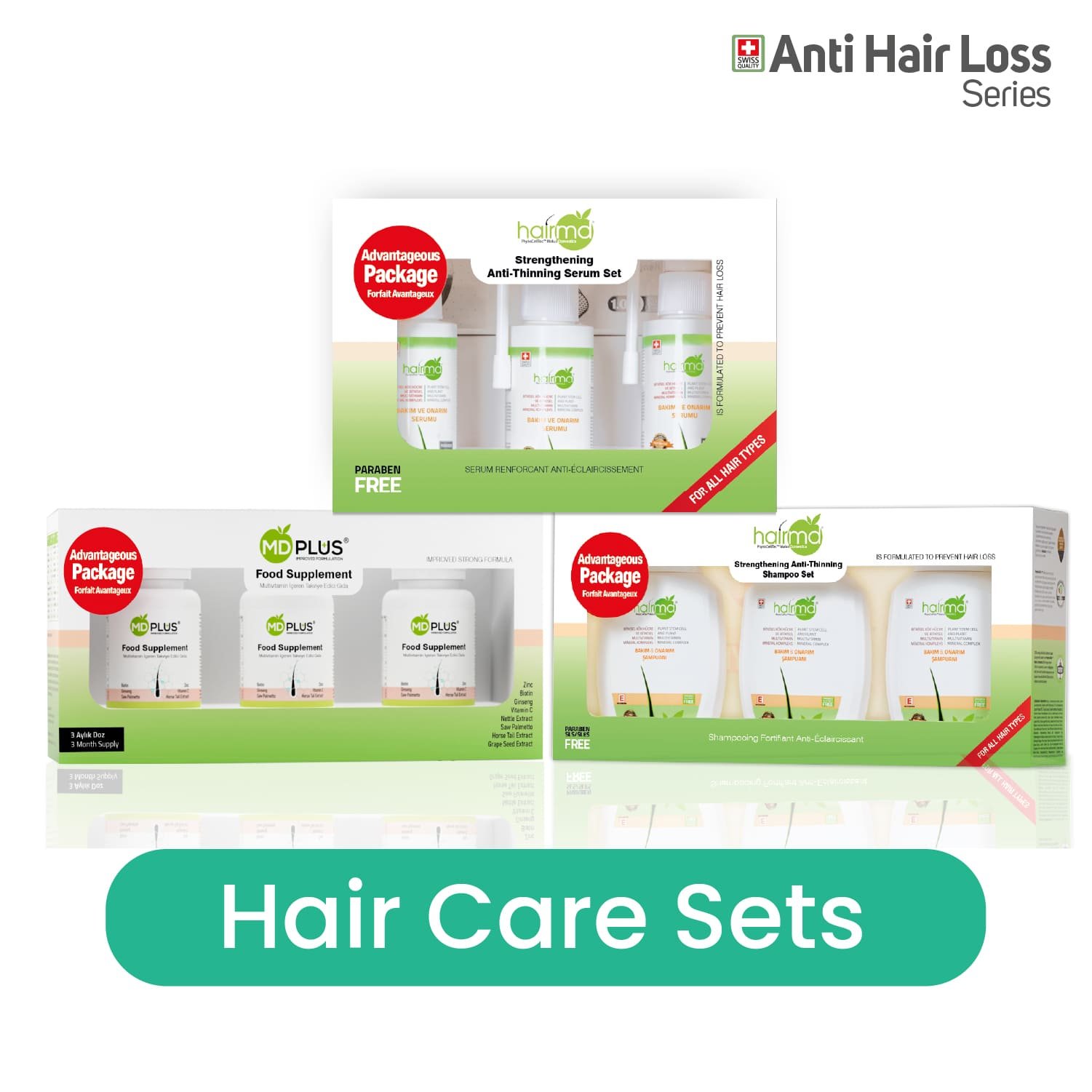
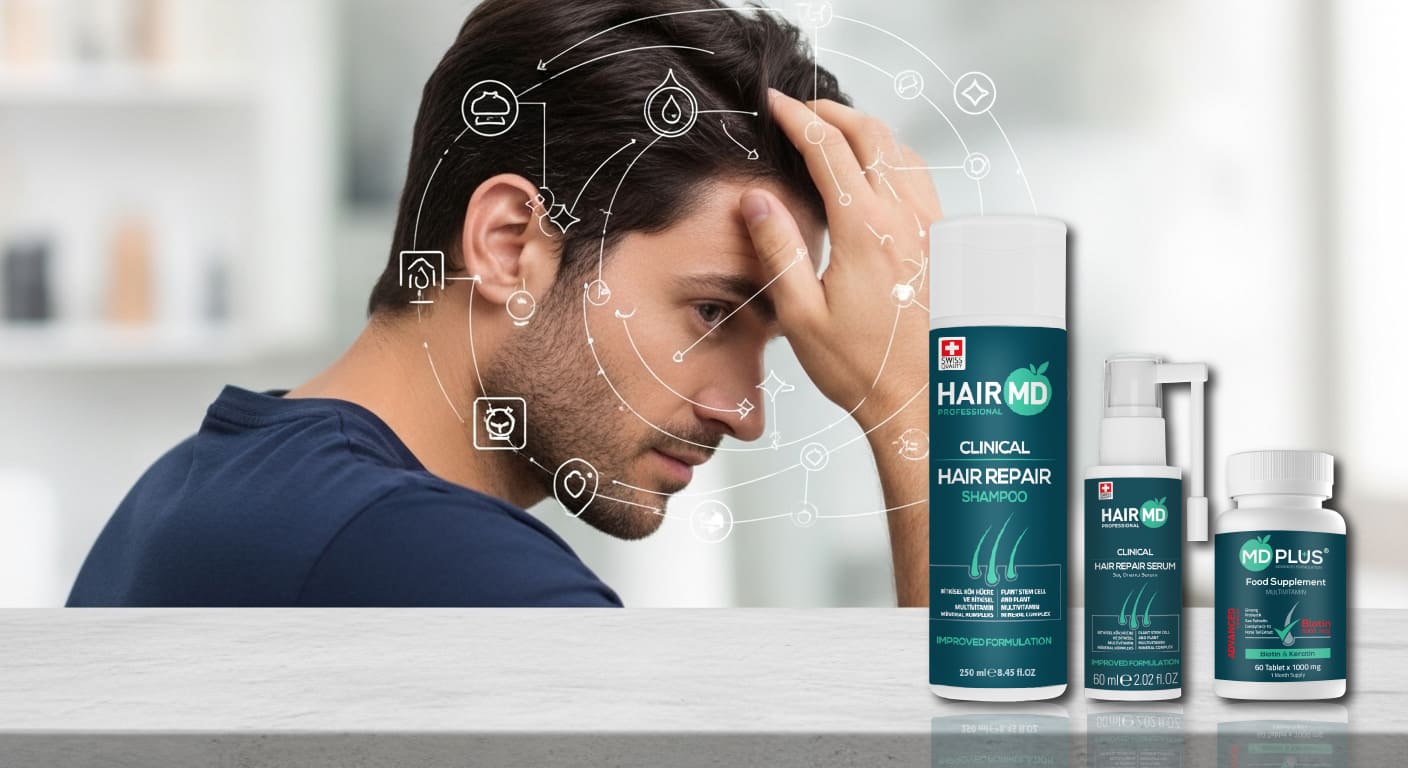
👉 HairMD Clinical Hair Repair Shampoo 250 ml is designed for post-transplant care. With its gentle cleansing features, it may provide comfort in daily washing routines while helping the scalp feel refreshed and balanced.
Adding Serum to Your Hair Routine
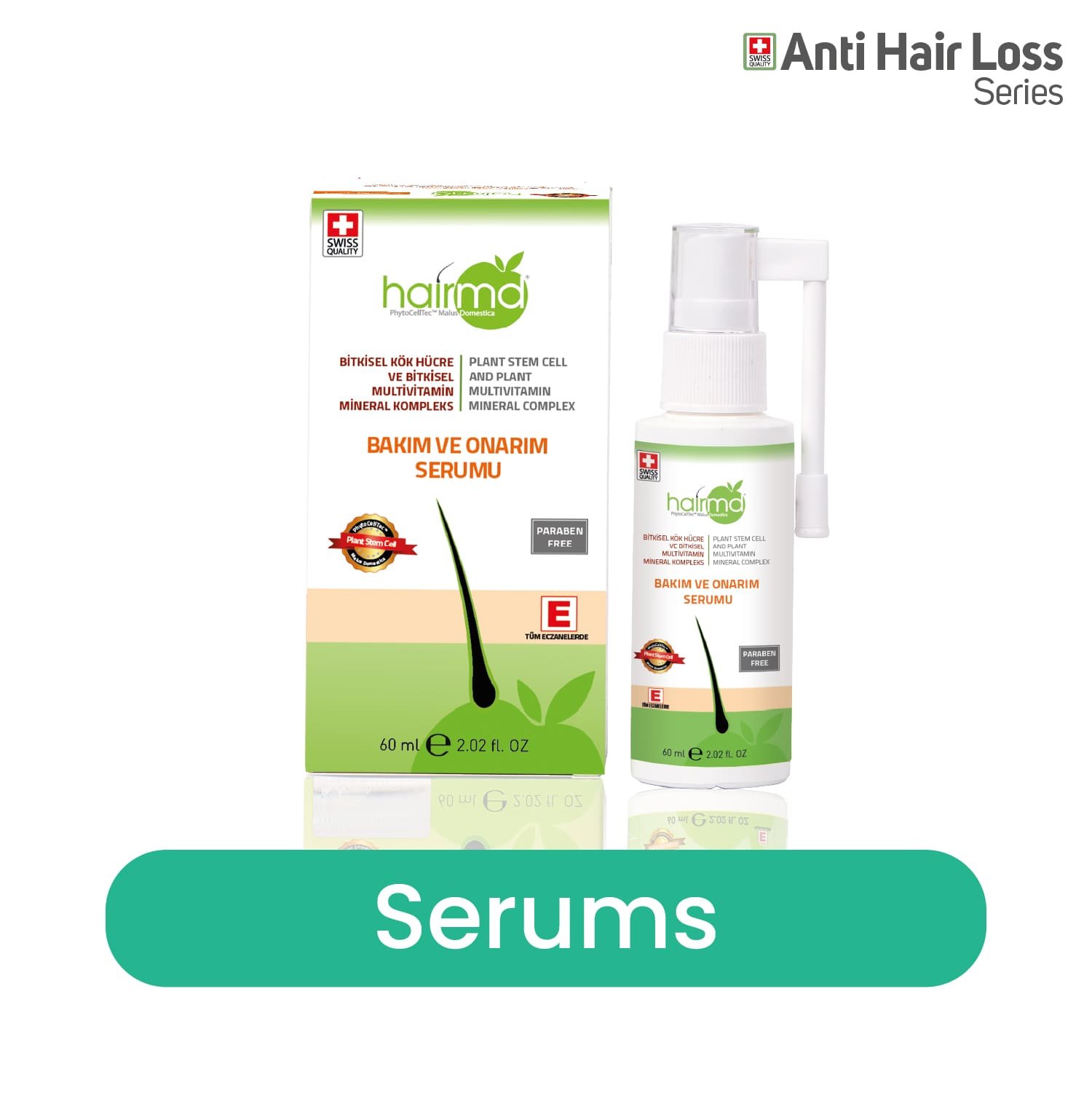
A serum can act as a booster step in a hair care routine. Especially post-transplant, a serum with restorative ingredients may help calm the scalp, maintain hydration, and give the hair a fuller visual effect.
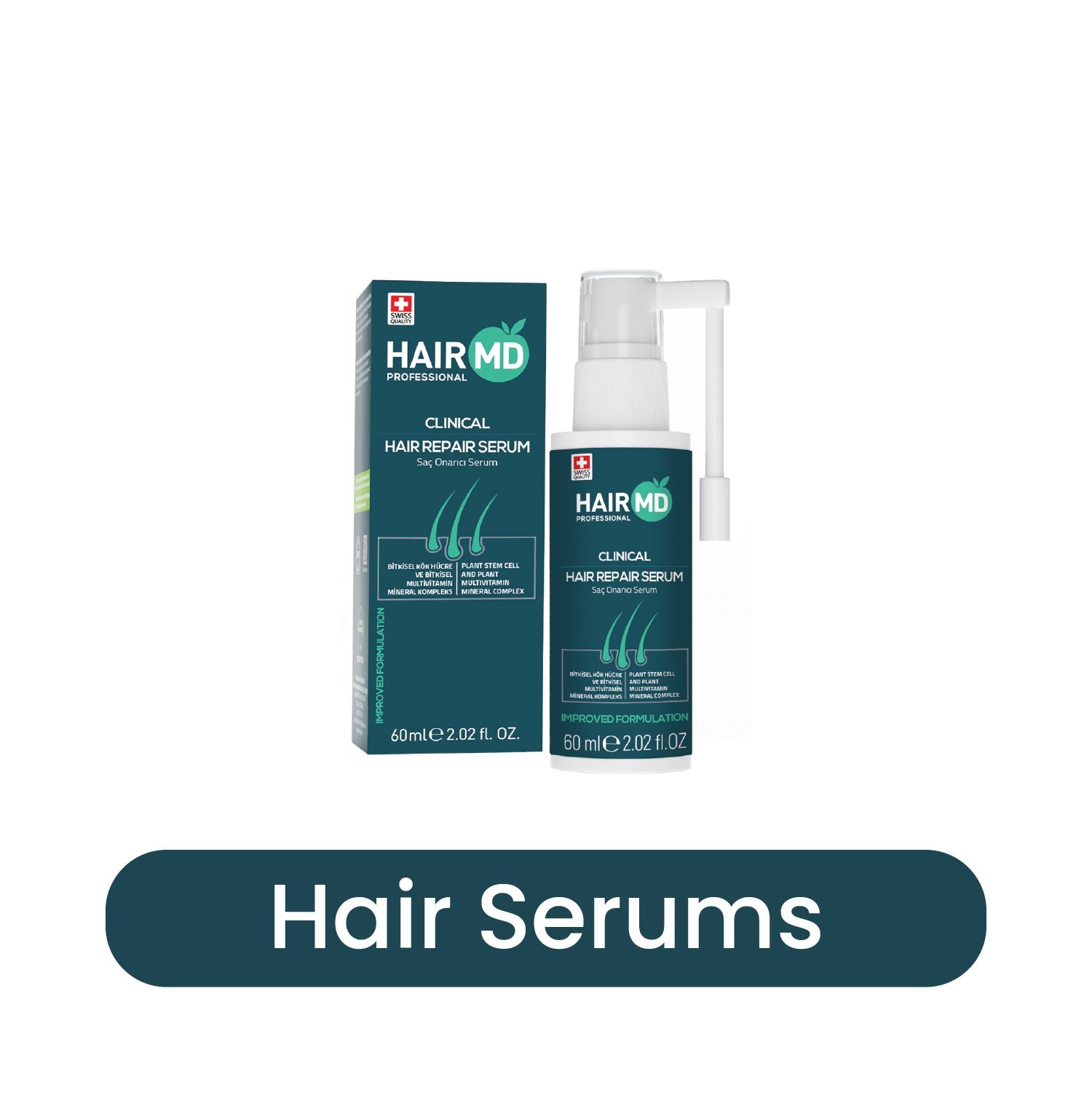
👉 HairMD Clinical Hair Repair Serum 60 ml can be integrated into daily practices. Consistent use may support a shinier, more vibrant hair appearance.
Multivitamin Support from Within
Hair is strongly influenced by internal wellness. A balanced diet plays the leading role, but sometimes additional supplementation may help provide the necessary nutrients that daily meals lack.
Supplements enriched with biotin, zinc, vitamin B, vitamin D, and antioxidants are commonly associated with contributing to the appearance of strong and lively hair.
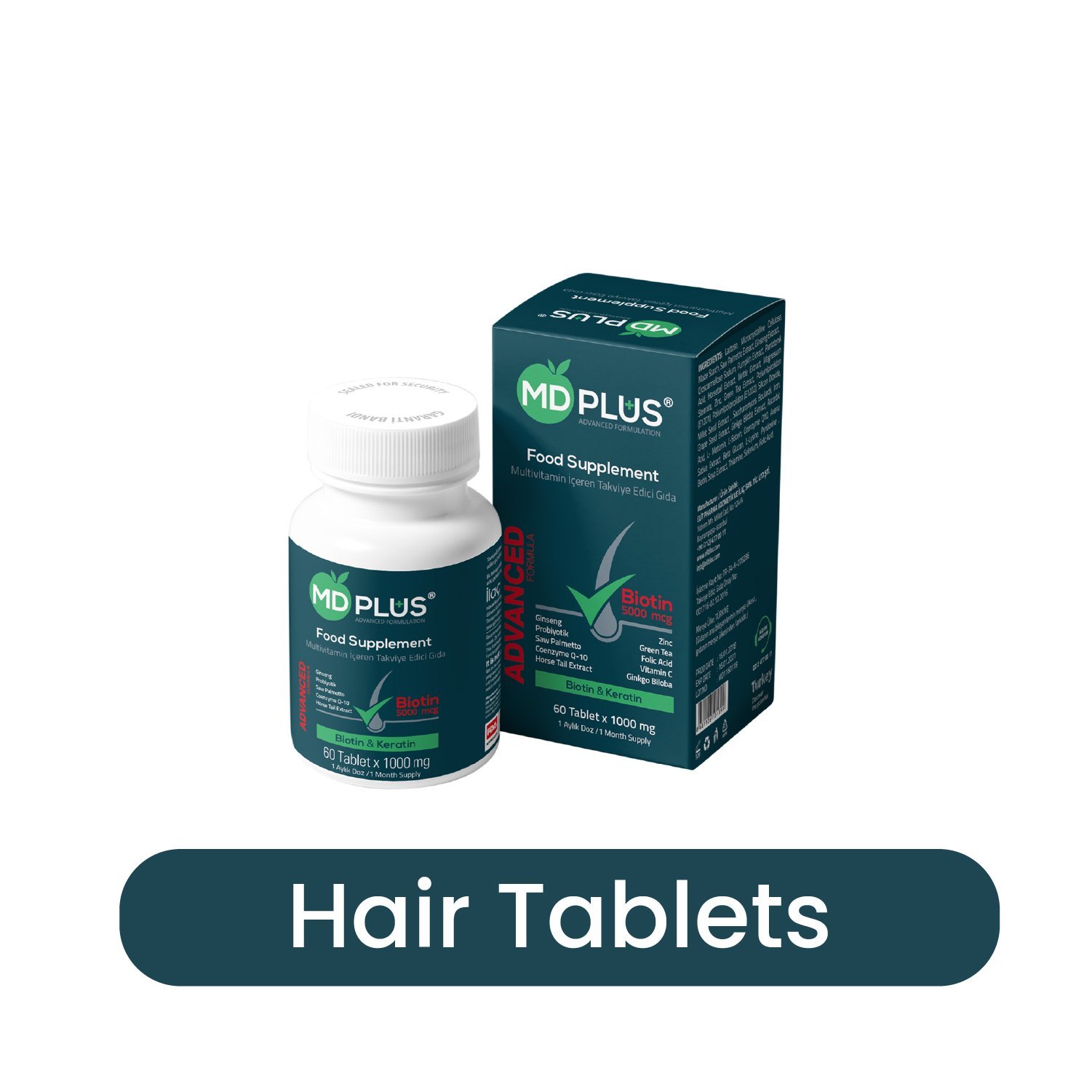
👉 MD Plus Advanced Hair Multivitamin 60 Tablet is developed to support overall wellness and may complement topical care with an additional layer of nutritional backing.
Additional Care Practices for Long-Term Scalp Wellness
Beyond everyday washing and topical application, these extra practices may contribute to scalp comfort and the visual health of hair:
- Scalp massage (performed gently, only when the scalp has healed) may encourage relaxation and circulation.
- Using a silk pillowcase helps reduce friction and may protect delicate hair shafts.
- Limiting harsh styling products like gels or sprays in the first months prevents unnecessary buildup.
- Allow time for rest—sleep and recovery are some of the body’s most powerful healing factors.
Incorporating these practices into life after a hair transplant may not only benefit the scalp today but also contribute to more consistent long-term results.
Conclusion
A hair transplant is not only a procedure but also the beginning of a new care journey. While the process requires consistency and adjustment, the right supportive routine may make it smoother and more effective. By selecting gentle shampoos, nourishing serums, and multivitamins, you can create a foundation that promotes scalp comfort and healthier aesthetic outcomes.
The journey is unique for everyone. Patience, balance, and self-care are always essential companions. Over time, these habits may help maintain confidence and satisfaction with the investment made in transplantation.
ℹ️ Disclaimer: The information in this article is intended for educational purposes only and does not substitute professional medical advice. Always consult your doctor, dermatologist, or pharmacist before using products or making changes to your personal health routine.